The Aging Research and Drug Discovery meeting — the largest conference in longevity biotechnology, now in its thirteenth year and in Boston for the first time — opens today at Harvard and runs through Friday. Its organizer is Insilico Medicine, the AI drug company whose Hong Kong listing we covered in December; its top-tier sponsors are Insilico and Eli Lilly; its "knowledge partner" is a management consultancy. Day one is clinical development and longevity medicine, day two is AI in drug discovery, day three is future technology. The program includes a panel of pharmaceutical chief executives, speakers from a dozen large drugmakers, and investor panels from the largest healthcare funds. The sponsor tiers below the top run from AstraZeneca and AbbVie through a food conglomerate, two cosmetics houses, an investment bank, and several companies that sell biological-age tests directly to consumers. That list is the most useful document the conference will produce.
Why read the sponsors. A conference is where a field says who it is, and this one says: pharma, AI, capital, and the consumer-testing business, in one room, with the organizer a company that sells the AI. Nothing about that is improper, and the science presented will include real work. But it answers the question we keep asking — who pays for the science of aging — with unusual candor. Among the sponsors is a consumer clock company whose employees co-authored the Nature Medicine clock study in August, the one that said responsiveness is not validation; here it sits a few tiers below the drugmaker that makes the only approved obesity drug for sleep apnea. The map of interests is on the program's own page.
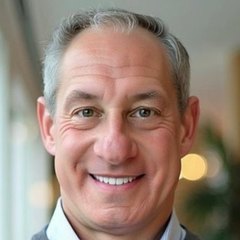 Ben’s take
I have attended meetings like this for years and I read them the way I read a cap table. The pharma presence tells you aging biology is being taken seriously as a drug target, which is good news and slow. The cosmetics and consumer-testing presence tells you where the near-term revenue is, which is you. The consultancy tells you someone is building the slide that connects the two. None of this is hidden. The industry publishes its own conflict map every year and calls it a sponsor list.
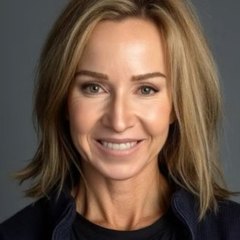 Loree’s take
The first day is titled longevity medicine, and it is where the words my patients bring me next spring will come from. I will read the abstracts. What I will tell patients is what I tell them every year: the science in that room is years from a clinic, and the products in that room's lobby are for sale now. Keep them separate. The program does not.
Why it matters to a recovering optimizer. The self-portrait is accurate. Serious science, serious money, and a consumer market attached to both — three days, one building, one organizer. If you want to understand why your inbox fills with biological-age offers every October, the explanation is in Boston this week, and it is sponsored.
When a field holds its annual meeting, read the sponsor list before the abstracts. It tells you who the science is for.